Should You Upgrade from Honor Magic V5 Which Foldable Will Win to Galaxy Z Fold 7?
Foldables have moved from experimental curiosities to mainstream alternatives for users who want a pocketable device that doubles as a tablet. Two of the most talked-about options in this segment are the Honor Magic V5 and Samsung's Galaxy Z Fold 7. Anyone considering an upgrade from an Honor Magic V5 — or deciding between the two — needs a clear, practical assessment of where they differ in daily use, what trade-offs they impose, and which buyers are likely to benefit most from making the switch.
Introduction
This article compares the Honor Magic V5 and the Galaxy Z Fold 7 across the factors buyers actually care about: display and usability, build and durability, performance, cameras, battery and charging, software and ecosystem, and long-term value. It aims to be a useful editorial guide for readers deciding whether to upgrade from an Honor Magic V5 to Samsung's Galaxy Z Fold 7, rather than a spec sheet. Real-world use cases — commuting, productivity, content creation, travel, and repair/aftercare — are highlighted to help match device strengths to user needs.
Detailed product analysis
Design and build quality
Both the Honor Magic V5 and the Galaxy Z Fold 7 are built around the same core idea: a compact exterior phone that opens to reveal a larger tablet-like interior display. That similarity hides important differences in execution.
Samsung has spent years refining the Z Fold line, and the Galaxy Z Fold 7 typically shows that accumulated refinement in subtle places: a predictable hinge motion, narrow bezels on the inner display, and industrial design choices that prioritize one-handed usability when closed. Samsung also tends to push premium finishes and water resistance where possible. For users who pocket their device constantly or who prefer a high-end, polished feel, those refinements matter in daily handling.

Honor’s Magic V5 historically competes by offering a large internal screen and strong value in hardware-per-dollar. Its hinge and external display are often engineered to give a very expansive canvas for apps and multitasking. That can be especially attractive for users who prioritize the largest possible inner screen and are willing to accept slightly different fit-and-finish or manufacturer trade-offs to get it.
Displays and real-world use
Display experience is a primary reason people buy foldables. The inner display controls immersion for media and productivity; the external cover screen determines pocketability and one-handed convenience.
Samsung’s Z Fold series usually focuses on delivering an inner panel with very accurate color, high brightness, and adaptive refresh rates that make animations and scrolling feel smoother. This benefits people who consume HDR content, edit photos on the go, or use the large screen for split-screen workflows. The cover display is designed to offer a usable phone experience without opening the device for quick tasks.
Honor aims to maximize usable area and typically competes on sheer size and value — which can be excellent for watching long video sessions, reading, or running apps side-by-side. For someone whose primary use case is consuming media or reading documents, the Magic V5 family is often compelling. However, Samsung’s display tuning and software optimizations for multi-window interactions often give the Z Fold 7 an edge for productivity users.
Hinge, durability, and long-term reliability
Hinges make or break the foldable experience over time. Samsung has invested heavily in hinge longevity and dust/water ingress mitigations in recent generations. That shows up as confidence in long-term durability and wider availability of service options and spare parts.
Honor has narrowed the gap with improved hinge engineering, but prospective upgraders should consider real-world durability reports, service networks, and warranty terms. For a commuter who uses the device in varied environments, Samsung’s track record and repair ecosystem may tilt the decision toward the Z Fold 7. For users who prioritize cost-per-screen-inch and have reasonable care habits, the Magic V5 remains a strong choice.
Find top-rated Electronics products at great prices.
See Deals →Performance and battery life
Performance in both devices targets flagship-level phones: modern CPUs, ample RAM, and fast storage. In daily life, that translates to smooth multitasking, fast app launches, and competent gaming. Samsung typically pairs top-tier silicon with aggressive thermal design to sustain performance longer during heavy tasks, while Honor often offers similar peak performance but may tune thermals and battery behavior differently to favor battery life or cost.
Battery life on foldables varies with screen usage: the larger inner display consumes more power. Users who frequently run the device unfolded, multitask with multiple apps, or stream video should expect shorter runtime than traditional non-fold phones. Charging speeds, battery capacity, and whether wireless or reverse wireless charging are supported will influence how often a user needs to plug in during a day. Both vendors have targeted practical battery life for real-world scenarios, but Samsung sometimes prioritizes a balance that supports heavier sustained use.
Cameras and content creation
Cameras remain an important differentiator. Samsung consistently focuses on camera versatility and image processing, producing robust results across a range of lighting conditions — an advantage for users who rely on their phone as a primary camera. Honor also offers capable camera hardware and often positions itself strongly on value and AI-enhanced photo features.
For creators who shoot video and need consistent autofocus, stabilization, or a wide dynamic range across scenarios, the Z Fold 7’s camera stack and computational processing may edge out the Magic V5. For casual shooters who prioritize the large viewing canvas for framing and reviewing shots, Honor’s approach is competitive.
Software and ecosystem
Software is where two devices diverge most in daily experience. Samsung’s One UI on a Z Fold typically integrates foldable-specific features, optimized multitasking, and deeper integration with Samsung’s ecosystem (tablets, watches, earbuds, and services). That can be a decisive factor for users who already own Samsung peripherals or who value long-term software support.
Honor’s Magic UI offers its own set of foldable optimizations and can be more experimentally inclined, especially in regions where Honor pushes unique features. However, software update cadence and long-term support tend to be areas where Samsung has a predictable advantage; buyers who plan to keep a phone for multiple years should weigh update promises heavily.
Price and value proposition
Price remains a pragmatic factor: the Galaxy Z Fold line is often priced at a premium that reflects Samsung’s R&D, brand positioning, and service ecosystem. Honor targets a value-focused segment, delivering much of the foldable experience at a lower nominal price or with more aggressive hardware-for-price ratios.
Some buyers prefer to pay a premium for perceived longevity, resale value, and a more polished experience; others choose the best hardware-per-dollar and accept trade-offs. The right choice depends on budget, expected ownership time, and reliance on manufacturer services.
Pros & cons
Galaxy Z Fold 7
- Pros: Refined hinge and build; polished inner display and software for multitasking; robust software update policy and Samsung ecosystem integration; strong camera processing and consistent imaging; established repair and service network.
- Cons: Higher price; larger folded footprint than some clamshells; trade-off between large internal screen and one-handed closed use for some users.
Honor Magic V5 Which Foldable Will Win
- Pros: Excellent value for screen size and specifications; large internal canvas beneficial for media and split-screen use; competitive hardware at more accessible price points.
- Cons: Software update cadence and long-term support may vary by region; service and repair network is less extensive in some markets; subtle differences in hinge refinement compared with long-established foldable lines.
Comparison table
| Category | Galaxy Z Fold 7 | Honor Magic V5 Which Foldable Will Win |
|---|---|---|
| Design & Build | Premium finishes, refined hinge, water-resistance considerations, narrow bezels | Large internal display, competitive hinge, often prioritizes usable area and value |
| Display | Color-accurate, high brightness, adaptive refresh optimized for multitasking | Large and immersive, strong value on screen size, good for media consumption |
| Performance | Flagship-tier silicon with sustained thermal tuning | Flagship-class performance in many models; tuned for value |
| Cameras | Well-rounded system, strong processing and video features | Capable hardware and AI enhancements; strong for casual photography |
| Software & Updates | One UI with fold-specific UX, reliable long-term updates | Magic UI with foldable features; update cadence can vary |
| Durability & Service | Proven repair network and spare part availability | Improving service options; availability varies by market |
| Value | Premium price, strong resale/value retention | Better hardware-per-dollar, appealing for budget-conscious buyers |
Real-world use cases and who should upgrade
Productivity and multitasking
Users who regularly work with multiple apps simultaneously — email, document editors, spreadsheet views, and reference material — benefit the most from Samsung’s multitasking polish. The Galaxy Z Fold 7’s software optimizations for window management, drag-and-drop, and task continuity across screens typically improve day-to-day workflow. If the Honor Magic V5 is adequate for casual split-screen use but a user finds themselves frequently adjusting layouts or needing smoother app continuity, the Z Fold 7 is a sensible upgrade.
Media consumption and reading
People who primarily want the largest, most affordable unfolded canvas for watching videos or reading long-form content might prefer the Honor Magic V5’s value proposition. If the Honor already satisfies those needs, there is less urgency to upgrade unless one wants Samsung’s display tuning or specific ecosystem features.
Discover deals on Electronics — updated daily.
See Deals →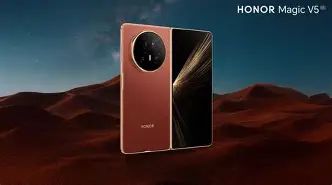
Photography and content creation
For creators who shoot a lot of video, need reliable stabilization and consistent image processing, or who edit on-device, Samsung’s imaging stack usually performs better across varied lighting. Upgrading to a Z Fold 7 makes sense for content creators moving from a Magic V5 who want that consistency and additional camera features.
Travel and durability-conscious buyers
People who travel frequently and rely on a single device for navigation, photography, work, and communication should consider Samsung’s broader service network and the Z Fold series’ incremental durability improvements. The ability to get repairs and software support more easily in many regions is an important practical consideration.
Buying guide: practical considerations before upgrading
When deciding whether to upgrade from an Honor Magic V5 to a Galaxy Z Fold 7, the following checklist helps focus the decision on personal priorities rather than marketing claims.
- Assess daily use: Track how often the inner display is used. If it’s unfolded most of the day and the user needs better multitasking, Samsung’s refinements may pay off.
- Evaluate ecosystem fit: Consider other devices in use (tablets, watches, earbuds). If the user already owns Samsung devices, the integration can increase day-to-day convenience.
- Consider software longevity: Check the advertised update policy and real-world update history. Longer guaranteed updates reduce long-term security and feature concerns.
- Check service and repair options: Confirm local repair availability, warranty terms, and typical turnaround times. This matters more for foldables than for traditional phones.
- Budget and resale expectations: Factor resale value and total cost of ownership. A higher initial price may be offset by better resale or longer usable life for some buyers.
- Try the device in person: Ergonomics and hinge feel are subjective; handling both phones in a store for a few minutes can reveal which feels better in-pocket and in hand.
- Consider accessories: If S Pen support, cases, or other accessories matter, verify compatibility and availability for the chosen model.
- Future-proofing: Look at supported wireless standards, storage options, and whether the model supports the features the user expects to rely on in two to three years.
Practical upgrade scenarios
Scenario 1 — The productivity professional: If email, documents, and multiple chat platforms are used heavily, and a user needs reliable software updates and a strong multitasking experience, upgrading to the Galaxy Z Fold 7 is likely to improve daily workflow.
Scenario 2 — The media-first consumer: If the primary use is binge-watching shows, reading, and casual web browsing, the Honor Magic V5 often provides a satisfying experience at a better price. Upgrading is less urgent unless Samsung’s display tuning or app behavior is important.
Scenario 3 — The content creator: If consistent camera results and advanced video features are required, Samsung’s imaging and processing pipeline can justify an upgrade for creators who demand predictable output.
Conclusion
Upgrading from an Honor Magic V5 to a Galaxy Z Fold 7 is not an obvious yes-or-no decision; it depends on what the user values most. The Z Fold 7 emphasizes refined hardware, polished software for multitasking, broader service support, and camera consistency — all of which support productivity-driven, durability-conscious, and creator-focused buyers. The Honor Magic V5 remains a strong contender for buyers who want the largest internal canvas and the best hardware-for-price trade-off.
In short: those who prioritize long-term software support, a finely tuned multitasking experience, and an extensive service ecosystem will likely find the upgrade worthwhile. Those who are satisfied with the Magic V5’s screen size and value proposition, and who prioritize price over marginal usability gains, can reasonably continue with their existing device. Matching the choice to the user’s daily habits and aftercare expectations is the most practical way to decide which foldable will truly “win” for any individual buyer.