I Tested the Peak Design Pro Tripod for a Month: Here is My Verdict
Introduction
The reviewer spent a month living with the Peak Design Pro Tripod across a range of practical shoots — from dawn landscape sessions and urban long exposures to run-and-gun travel days and a couple of short video interviews. The goal was to see whether the Pro Tripod's premium engineering and design-focused features actually translate into better day‑to‑day performance for photographers and videographers who value portability, build quality, and workflow efficiency.
This article breaks down how the tripod performed in real-world scenarios, highlights strengths and weaknesses, compares it to alternatives, and offers a pragmatic buying guide for people who care about stability, weight, versatility, and long-term ownership.
Product Overview
The Peak Design Pro Tripod is positioned as a premium, pro-grade support system that blends modern materials and user-focused details. It aims at users who want a tripod that travels well without compromising stability for heavier camera systems. Peak Design’s approach emphasizes quick setup, integrated compatibility with common accessory standards, and durable finishes designed to take a beating in the field.
Detailed Review and Analysis
Build Quality and Materials
The Pro Tripod is engineered with attention to tactile details. Leg sections feel well-machined, the leg locks operate smoothly without excessive play, and the hub mechanism is solid. In practice, the tripod gives an impression of long-term durability rather than a fragile travel tool. The finish on both carbon fiber and aluminum options resists scuffs and retains a premium look after repeated use.
For buyers deciding between materials, the carbon fiber option prioritizes lighter carry weight and reduced vibration transfer, which benefits long-exposure and handheld-stabilized setups. The aluminum version trades off a little weight for typically lower cost and slightly higher stiffness at certain heights. In the field, the choice often comes down to how far one hikes and how much gear one carries.
Setup, Ergonomics, and Carry
One of the Pro Tripod’s strengths is setup speed. The leg angle adjustments and locking mechanisms allow fast deployment and repositioning. For travel use, the folded footprint is compact enough to stow in carry-on or backpack side compartments for many users, and the included carry options make transitions between shooting locations easier. The tripod's ergonomics — where knobs, levers, and the hub are placed — minimize the need to fumble for controls in cold or wet conditions.
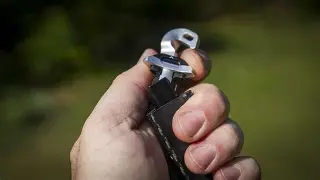
However, a month of heavy use highlighted that while the tripod is portable, it's still heavier than ultralight travel designs. Photographers doing very long hikes or bikepacking may find it heavier than their tolerance. For typical urban-to-field travel this is a reasonable tradeoff for the improved stability and build quality.
Stability and Vibration Control
Stability is the area where the Pro Tripod aims to justify its premium. When paired with a mid- to large-format mirrorless camera and a telephoto lens, the tripod held steady during long exposures and windy conditions better than many compact designs. The leg spread and diffuser of vibrations through the leg sections are well controlled — images came back sharp even at slow shutter speeds when the setup was placed on firm ground.
On uneven terrain, the tripod's leg adjustments allow a low center of gravity and a wide stance. The reviewer found that on soft ground or sand it helped to add weight (camera bag hung from the hub) to further damp vibrations. For astrophotography and timelapse, the platform felt confident and allowed the reviewer to focus on framing rather than worrying about drift or micro-vibrations.
Head and Mounting Compatibility
The Pro Tripod integrates with Arca‑type quick‑release standards and accommodates most popular heads without fiddly adapters. In practice, this meant fast plate swaps between camera rigs and smooth transitions between portrait and landscape orientations. The included mounting solution is sturdy and minimizes play when tightening the head.
If a buyer uses a separate, heavier ball head or a dedicated gimbal for wildlife or sports, the tripod's interface handled the added mass without noticeable flex. Video shooters will appreciate that a fluid head can be mounted directly and still enjoy the tripod's load-bearing characteristics.
Shop the latest Cameras & Photography picks on Amazon.
Browse Now →Leg Design, Locks, and Angles
Legs extend smoothly and lock securely. The Pro Tripod offers multiple angle stops so the support can be set to low positions for macro work or a wide stance for stability. The joints are engineered to avoid the common gripe of sticky or uneven leg travel that plagues cheaper models.
Over the month of use, repeated extension and collapse cycles did not loosen the leg sections appreciably. Regular outdoor use in dusty environments showed that maintenance — blowing out grit and occasional lubrication of pivot points — keeps the mechanism running freely.
Feet and Ground Adaptability
Interchangeable feet provide traction on pavement, grass, and rock. The reviewer switched between rubber feet for indoor studio setups and spiked feet for firm, outdoor shooting. Grip on wet surfaces was reasonable; care is still necessary on slick rock or steep slopes, but the tripod's footprint and adjustability reduced slip risk compared to narrow-based travel tripods.
Video Use and Motion Workflow
For short video interviews and controlled motion shots, the Pro Tripod offered a reliable base. Panning with a fluid head felt smooth; however, the tripod is primarily marketed to photographers, and those whose work is predominantly run-and-gun video might prefer dedicated video tripods with longer fluid pan bases and mid-level spreaders for added stability.
Durability and Weather Resistance
After a month that included coastal humidity, light rain, and sandy beaches, the tripod showed minor cosmetic wear but no functional issues. The seals around critical joints are good, and with routine brushing off of sand and drying after wet conditions, the tripod continued to function smoothly. Peak Design’s finish and protective coatings appear effective at resisting corrosion and abrasion in regular outdoor use.
Workflow and Everyday Use
What stood out during daily shoots was how small design choices affected speed and convenience. The leg locks required minimal fuss and the tripod's symmetry makes orientation intuitive. For photographers who frequently switch between handheld and tripod shooting, the quick-release compatibility and minimal blocking of controls around the camera mount were appreciated.
Pros & Cons
- Pros:
- Excellent build quality and premium feel
- Very stable platform for long exposures and telephoto work
- Thoughtful ergonomics speed up setup and adjustments
- Interchangeable feet and multiple angle stops increase versatility
- Works well with a wide range of heads and camera systems
- Cons:
- Heavier than ultralight travel tripods — not ideal for long-distance backpacking
- Premium price point relative to entry-level tripods
- No mid-level spreader option built into basic configuration (some users prefer it for video)
- Maintenance needed after heavy usage in sandy or muddy environments
How the Pro Tripod Compares
| Attribute | Peak Design Pro Tripod | Peak Design Travel Tripod | Traditional Pro Carbon Tripod |
|---|---|---|---|
| Portability | Good — compact folded footprint, moderate weight | Excellent — optimized for travel and carry weight | Varies — often heavier and bulkier |
| Stability | Excellent — designed for heavier setups | Good — lighter, less ideal under heavy loads | Excellent — very stable, especially larger models |
| Versatility | High — angle stops, feet options, head compatibility | Moderate — focuses on compactness | High — depends on model and features |
| Best for | Landscape, studio, travel with substantial gear | Frequent flyers, street photographers, light travel | Studio work, wildlife, long-exposure landscape with heavy gear |
| Price Range | Premium | Premium to Mid | Varies — entry to premium |
Buying Guide: Is the Peak Design Pro Tripod Right for the Buyer?
1. Define the Primary Use Case
Buyers should first decide what they shoot most. If landscape, architecture, or studio work with heavy camera + lens combinations is typical, the Pro Tripod’s stability and build justify the investment. For photographers whose work is primarily ultralight travel, hiking, or handheld street photography, a lighter travel-specific tripod may be more appropriate.
2. Consider Material and Weight Tradeoffs
Carbon fiber provides lower weight and better vibration damping; aluminum tends to be slightly heavier but can offer cost savings and sometimes increased stiffness. Choose carbon fiber for long exposures, telephoto lenses, or frequent carry; aluminum if budget and occasional heavier handling are factors.
3. Head Compatibility and Mounting Standards
Check plate standards and head compatibility. The Pro Tripod is designed to work with Arca‑style plates. If the buyer already owns specific ball heads or gimbals, make sure mounting interfaces are compatible or that minimal adapters are needed.
4. Practical Portability — Folded Length and Carry Options
Measure expected carry scenarios. The Pro Tripod’s folded profile is compact for a pro-grade unit, but it will still take space in a pack. If airline carry-on or tight backpack space is essential, compare folded dimensions to the space available.
Shop the latest Cameras & Photography picks on Amazon.
Browse Now →5. Load Capacity vs. Equipment Weight
Match the tripod to the heaviest configuration regularly used (camera + largest lens + accessories). A tripod that feels overbuilt for a light kit can still be fine, but one that’s under‑specified will allow unacceptable flex and vibration.
6. Terrain and Feet Options
Think about where the tripod will be used. Interchangeable feet or spiked feet are valuable for photographers who move between pavement, grass, rock, and sand. If shooting on ice or snow, consider accessory crampons or wider footplates.
7. Workflow and Speed
Quick-release compatibility, head mounting, and intuitive leg locks save time on repeated setups. Photographers who swap cameras or lenses frequently during events will benefit from the Pro Tripod’s attention to ergonomic details.
8. Maintenance and Longevity
Premium tripods are long-term investments. Plan on occasional maintenance if frequently exposed to sand, salt, or mud. Cleaning, drying, and checking for loose screws will prolong life and keep performance consistent.
9. Budget and Resale Considerations
Although the Pro Tripod commands a premium price, high-quality tripods tend to hold resale value when well cared for. Consider buying the configuration that meets long-term needs rather than opting for a cheaper model that will be outgrown.
Conclusion
After a month of varied, practical use, the Peak Design Pro Tripod proved itself as a thoughtfully engineered, reliable support system that balances stability with a reasonably compact footprint. It excels for photographers who carry substantial gear and need a tripod they can trust for long exposures, telephoto work, and mixed field/studio use. The premium build, ergonomic touches, and adaptable features make it a strong contender in the high-end tripod market.
That said, it is not the perfect tripod for everyone. Those who prioritize minimal weight above all else — ultralight hikers or photographers traveling with only the lightest mirrorless rigs — may prefer a lighter travel‑specific option. For users whose primary work is video with long, fluid pans and demanding gimbal setups, a purpose-built video tripod might be a better fit.
In summary, the Peak Design Pro Tripod is a compelling choice for photographers seeking a durable, versatile, and stable tripod that enhances day-to-day shooting without forcing major compromises on transportability. For buyers who value a premium feel, strong stability, and design-driven ergonomics, it is certainly worth serious consideration.