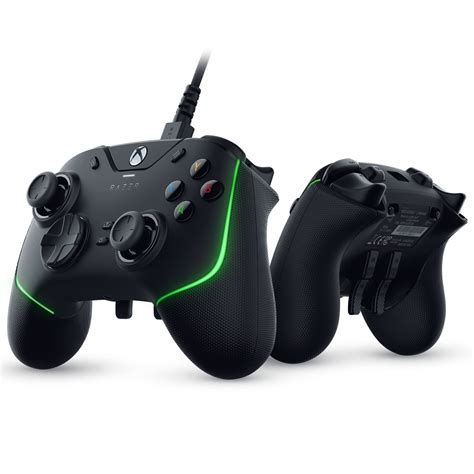
Head-to-Head: Razer Raiju V3 Pro vs Razer Wolverine V2 Pro (Detailed Comparison)
Introduction
Razer’s pro-grade controllers sit at the intersection of competitive performance and premium comfort. The Razer Raiju V3 Pro and the Razer Wolverine V2 Pro represent two of the company’s best efforts to deliver console-style controllers with customization, low-latency connectivity, and features that matter to serious gamers. This article compares the two controllers across design, connectivity, ergonomics, performance, customization and real-world use cases, helping prospective buyers choose the one that best fits their platform and playstyle.
Overview of the Contenders
Razer Raiju V3 Pro is positioned as Razer’s high-end controller aimed primarily at PlayStation users and PC players who prefer DualSense-style ergonomics combined with Razer’s customization ecosystem. It targets players who want a balance of comfort for long sessions and granular input options for competitive play.
Razer Wolverine V2 Pro is Razer’s premium offering for Xbox and PC players. It emphasizes low-latency competitive connectivity, extra face and paddle buttons, and hardware tweaks like trigger stops and remappable inputs intended for esports and fast-reaction gameplay.
Design and Build Quality
Razer Raiju V3 Pro
The Raiju V3 Pro follows a modern console-controller silhouette, with contours and finishes aimed at extended play. Materials typically include textured grips on the handles, matte plastics across the shell, and robust shoulder buttons. Button placement echoes standard console layouts, but Razer adds configurable paddles or additional rear buttons on pro models, which helps keep thumbs on the sticks during fast exchanges.
Razer Wolverine V2 Pro
The Wolverine V2 Pro carries a slightly more angular design tuned for Xbox ergonomics — broader grips with an emphasis on keeping a solid hold during rapid inputs. Build materials are similarly premium, with tactile face buttons and reinforced bumpers. Razer places a heavier emphasis on additional physical controls: dedicated remappable buttons, trigger stops, and swappable thumbstick caps are common in this product line.
Connectivity and Latency
Both controllers are designed to be used in wired and wireless setups. One key decision for buyers is whether they prioritize platform-specific wireless protocols (e.g., console-native wireless) or multi-platform Bluetooth support for versatility.
- Wireless performance: Razer markets both controllers with low-latency wireless modes suitable for competitive play. In practice, users looking for absolute minimum input lag often prefer wired USB-C connections; however, the proprietary wireless modes found in premium models reduce the gap significantly versus Bluetooth.
- Wired mode: Both controllers offer wired USB-C operation, which provides consistent latency and is preferred for competitive matches, streaming, and PC play where polling rates and absolute responsiveness matter.
- Compatibility: Raiju models tend to be marketed toward PlayStation and PC compatibility, while the Wolverine is aimed primarily at Xbox and PC. Both will function on PC in wired or Bluetooth modes with the appropriate drivers or OS-level support.
Performance and Inputs
Performance for this tier of controller is measured not just by raw responsiveness but also by how effectively the controller’s extra features translate into better in-game outcomes.
Thumbsticks and D-Pad
Both controllers typically come with high-quality thumbsticks that can be replaced or adjusted with different caps for grip and comfort. The D-pad design differs: Raiju models often favor a hybrid or segmented D-pad tailored for precise combo and fighting game inputs, while Wolverine controllers usually offer a tactile D-pad that leans more to directional quickness.
Triggers and Bumpers
Competitive players care a lot about triggers. Wolverine-style controllers historically include trigger stops and shorter travel options for faster fire rates in shooters; Raiju models often include hair-trigger modes and profiles that prioritize fine analog control for racing and action titles. Both designs aim to reduce accidental full-presses while enabling rapid actuation when needed.
Looking for the best Electronics deals on Amazon?
Shop Amazon →Remappable Buttons and Macros
One of the major advantages of both controllers is extensive remapping. Extra rear paddles or dedicated macro buttons are programmable through the controller’s onboard profile systems or companion software. This allows users to translate complex sequences or frequently used inputs to easily reachable buttons without taking thumbs off the sticks.
Software and Customization
Razer’s companion software provides the customization backbone for these controllers, enabling button remapping, sensitivity adjustments, trigger behavior changes, and profile storage. The depth and intuitiveness of the software are important — an accessible UI shortens setup time and makes it easier to switch profiles between games.
In practical terms, players who switch between genres (e.g., an FPS one night and a fighting game the next) will appreciate the ability to store multiple profiles and recall them quickly via a hardware profile switch or software on a connected PC.
Battery Life and Charging
Battery life expectations vary by usage. Wireless modes optimized for low latency usually drain faster than Bluetooth. For most users, these premium controllers are built to last multi-hour sessions, and they include USB-C charging so play can continue while charging. Competitive players who stream or play marathon sessions commonly use wired mode to avoid battery constraints entirely.
Ergonomics and Comfort
Comfort is subjective but crucial. Both controllers are built for extended use with textured grips and thoughtfully sculpted shells. The Raiju’s geometry may favor players who prefer the feel of PlayStation controllers, while the Wolverine’s heft and grip profile align with those accustomed to Xbox controllers. Weight distribution and stick placement affect fatigue: lighter controllers help for long match sessions while slightly heavier controllers can feel more stable during quick aim adjustments.
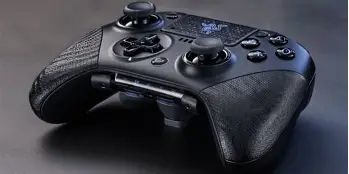
Pros & Cons — Razer Raiju V3 Pro
- Pros: Comfortable PlayStation-style ergonomics; strong customization options; well-suited for mixed PC/console setups; tactile button feel and responsive triggers.
- Cons: Slightly larger footprint may not suit small-handed users; premium price point relative to basic controllers; wireless low-latency mode can reduce battery life faster than Bluetooth.
Pros & Cons — Razer Wolverine V2 Pro
- Pros: Designed for Xbox/PC competitive play with focused ergonomics; extensive remappable inputs and trigger stops; durable build and button feel optimized for rapid inputs.
- Cons: May feel bulky for smaller hands; feature set is overkill for casual players who won’t use remapping or paddles; premium cost compared to first-party controllers.
Side-by-Side Comparison
| Feature | Razer Raiju V3 Pro | Razer Wolverine V2 Pro |
|---|---|---|
| Primary Target Platform | PlayStation and PC | Xbox and PC |
| Connection Modes | Wired (USB-C), Bluetooth, low-latency wireless | Wired (USB-C), Bluetooth/console wireless, low-latency wireless |
| Ergonomics | PlayStation-style contours, textured grips | Xbox-style contours, broad grips |
| Extra Buttons | Remappable rear paddles and profile buttons | Multiple remappable buttons/paddles and quick toggles |
| Trigger Options | Hair-trigger mode, sensitivity tuning | Trigger stops and rapid actuation options |
| Customization Software | Razer companion app — profiles, remap, sensitivity | Razer companion app — profiles, remap, trigger tuning |
| Build Feel | Balanced, slightly refined for longer sessions | Solid and tactile, optimized for fast inputs |
| Who it's best for | PlayStation first, then PC users who want PlayStation ergonomics | Xbox first, then PC users who want pro-level trigger and button control |
Real-World Use Cases
Understanding how each controller performs in everyday scenarios helps buyers make practical decisions.
Competitive FPS and Third-Person Shooters
Players in fast shooters benefit from the Wolverine’s trigger stops and remappable paddles. Faster trigger actuation translates directly to shorter time-to-first-shot in competitive matches. The Wolverine’s button placement and hardware trigger options make it a natural fit for twitch-focused gameplay.
Fighting Games and Platformers
Fighting game players who need precise directional inputs and reliable D-pad performance may lean toward the Raiju when it offers a more nuanced D-pad or alternative cap options. Quick combos that require precise directional presses are better served by a controller with a crisp D-pad and predictable input registration.
Discover deals on Electronics — updated daily.
See Deals →Racing, Flight, and Simulation
Analog sensitivity and trigger range are important here. The Raiju’s analog-focused tuning and hair-trigger adjustments can make steering and throttle control feel more natural. Players who value analog nuance over instant actuation will appreciate these settings for longer single-player or sim sessions.
Streaming and Content Creators
Streamers and content creators appreciate onboard profile switching because it reduces the need to alt-tab into software during a stream. Both controllers support profile storage and quick changes via hardware toggles, enabling streamers to switch layouts between games or quickly enable macro sequences during creative content.
Buying Guide — How to Choose Between Them
When comparing two premium controllers from the same manufacturer, buyers should focus on platform alignment, the features they will actually use, and ergonomics.
- Platform first: Pick the controller that best matches the console the buyer uses most. The Raiju is typically the better match for PlayStation players; the Wolverine generally pairs more naturally with Xbox ecosystems.
- Assess wireless needs: If the buyer plays wirelessly on a console and values the lowest possible latency, verify which controller offers the console-native wireless connection that avoids adapters and offers the manufacturer-recommended experience.
- Decide on complexity: Extra paddles, remappable buttons, and macros are powerful but add setup overhead. Casual players who rarely remap controls will get less value from a pro controller than competitive players who leverage bindings and macros.
- Ergonomics and hand size: Try controllers in person where possible. Small-handed players should prioritize controllers with slimmer grips; larger-handed players may prefer broader, heavier-feeling shells.
- Software ecosystem: Confirm companion software compatibility with the buyer’s operating system. Some features (like advanced macro sequences or firmware updates) may only be accessible via PC software.
- Battery and charging habits: If sessions regularly exceed several hours, consider playing wired for consistency, or check how quickly the controller charges and whether it supports passthrough charging while playing.
- Longevity and repairability: Look for replaceable thumbstick caps and modular parts if the buyer anticipates heavy use; these features extend usable life and allow minor repairs without replacing the entire controller.
Final Thoughts and Recommendation
Both the Razer Raiju V3 Pro and the Razer Wolverine V2 Pro are compelling choices at the premium end of the controller market. The decision largely comes down to platform alignment and which hardware-focused features a buyer will actually use.
For players who primarily use PlayStation and value analog nuance or a PlayStation-style fit, the Raiju V3 Pro is the natural choice. It offers a comfortable layout for long sessions and the level of customization required by serious players who mix genres. For Xbox-first competitive players, especially those who want trigger stops, rapid actuation, and an abundance of remappable hardware controls, the Wolverine V2 Pro is tailored to those needs.
Ultimately, buyers should weigh how much they will use remappable buttons and hardware customization against the premium price. Casual players may find similar satisfaction from first-party controllers; competitive and dedicated players will get the most return from the advanced features and ergonomic refinements these Razer controllers provide.
Conclusion
Choosing between the Razer Raiju V3 Pro and the Razer Wolverine V2 Pro comes down to a mix of platform preference, desired feature set, and how much customization a player intends to use. Both controllers deliver a premium feel, strong customization options, and performance-tuned hardware that can make a difference in competitive and prolonged sessions. Prospective buyers should identify which controller complements their console and playstyle, then evaluate whether the added features justify the investment for their individual needs.